Treatment
We offer laser treatments for glaucoma and for vision changes after cataract surgery, performed as gentle outpatient procedures in our consulting rooms with no incision and no overnight stay.
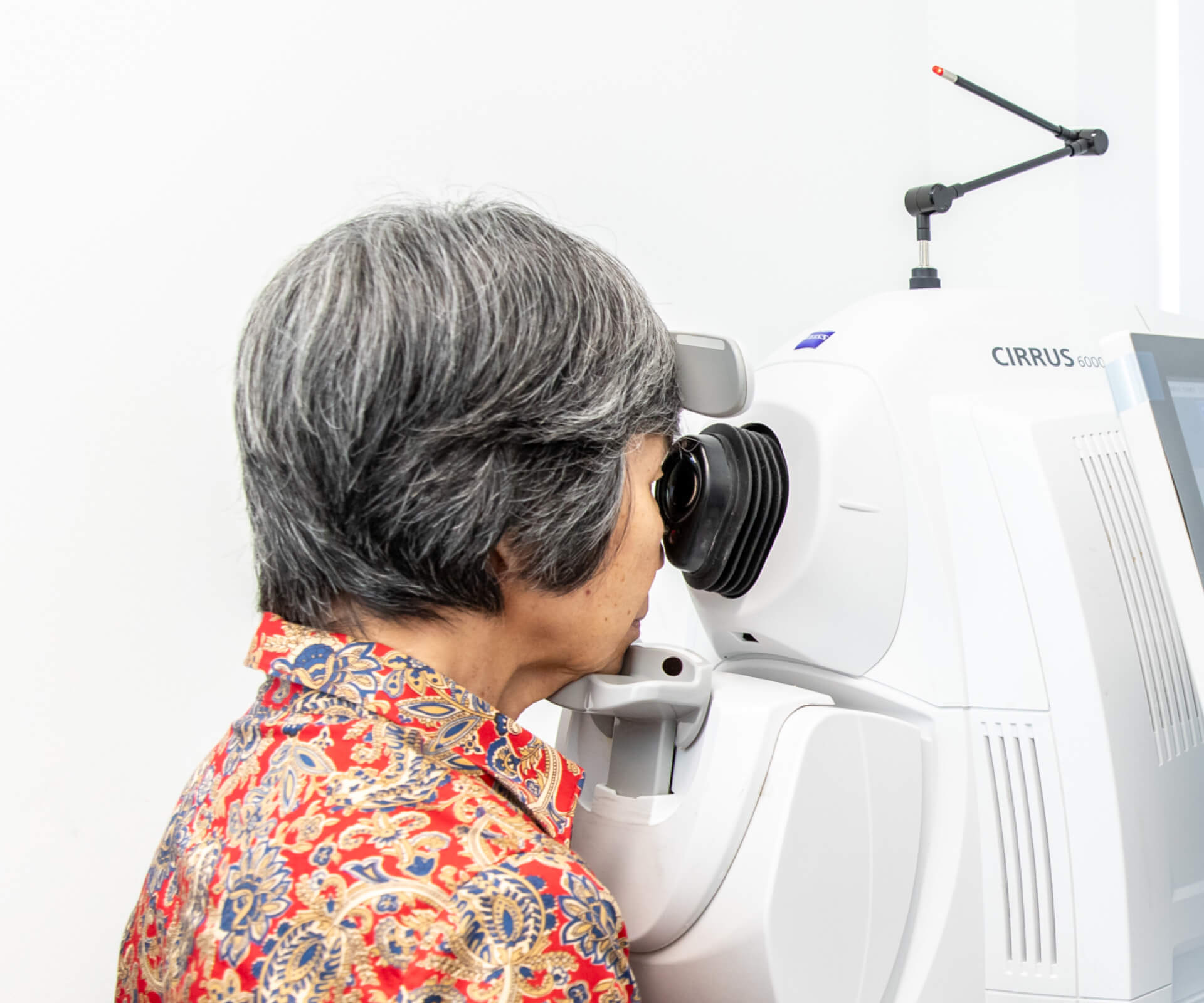
The main treatments are selective laser trabeculoplasty (SLT) for glaucoma and YAG laser, which is used to clear a clouded membrane after cataract surgery and to relieve narrow drainage angles. These procedures are usually recommended after a specialist assessment and a referral, rather than something you arrange yourself.
Anaesthetic drops numb only the eye, so the treatment itself is brief and comfortable for most people.
A referral is needed from your GP or optometrist as the usual first step, so most patients arrive here after their regular eye professional has flagged the need.
The need for repeated treatment varies depending on the specific procedure. SLT can be safely repeated if eye pressure rises again, whereas YAG treatments are generally performed only once.
Most people go home the same day, with eye drops to use afterwards and simple instructions about activity in the first day or so.
Results vary from person to person, and your surgeon will talk through what is realistic for your eyes before anything goes ahead.
Eye laser treatment is quick and precise, and it does not involve a cut or stitches. Your surgeon directs a focused beam of light at one structure inside the eye to improve drainage, clear a clouded membrane, or open a narrow angle.
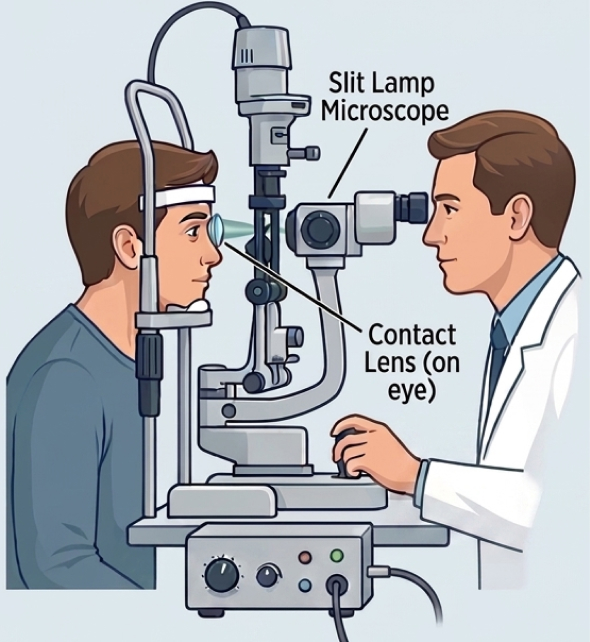
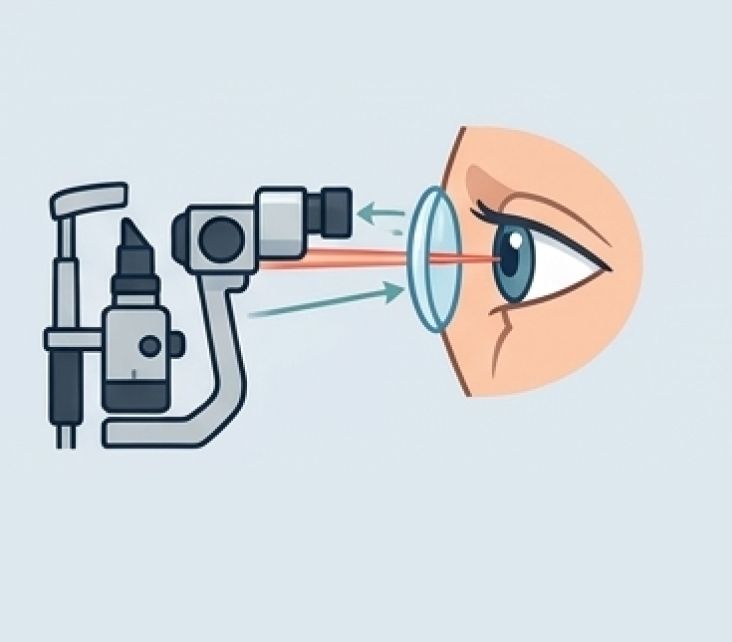
Both SLT and YAG laser are done while you sit at a slit lamp, the same kind of microscope used in a routine eye examination. Your surgeon will explain which procedure has been recommended for you, and why.
The sections below describe each laser, who it may suit, and what recovery involves.
Selective laser trabeculoplasty (SLT) is a laser procedure that helps lower the pressure inside the eye in people with open-angle glaucoma. It works by improving the way fluid drains away.
The laser is applied to the eye's drainage channel, called the trabecular meshwork. The energy prompts a natural biological response that improves drainage, without burning or cutting tissue.
SLT may suit you if you have open-angle glaucoma or raised eye pressure. It can be used as a first treatment, or alongside eye drops when drops alone are not enough.
It can also help if you find eye drops difficult to use, or hard to remember each day. Whether SLT is right for you depends on the type and stage of your glaucoma.
On the day, SLT is a short procedure that takes around five to ten minutes per eye.
SLT can lower eye pressure for many patients, and for some it reduces or delays the need for daily eye drops. The effect may last for several years, and the procedure can be repeated if the pressure rises again over time.
For independent patient information about SLT, see Glaucoma Australia.
YAG laser is used in two distinct situations. One clears a clouded membrane after cataract surgery. The other creates a small opening in the iris to relieve a narrow drainage angle.
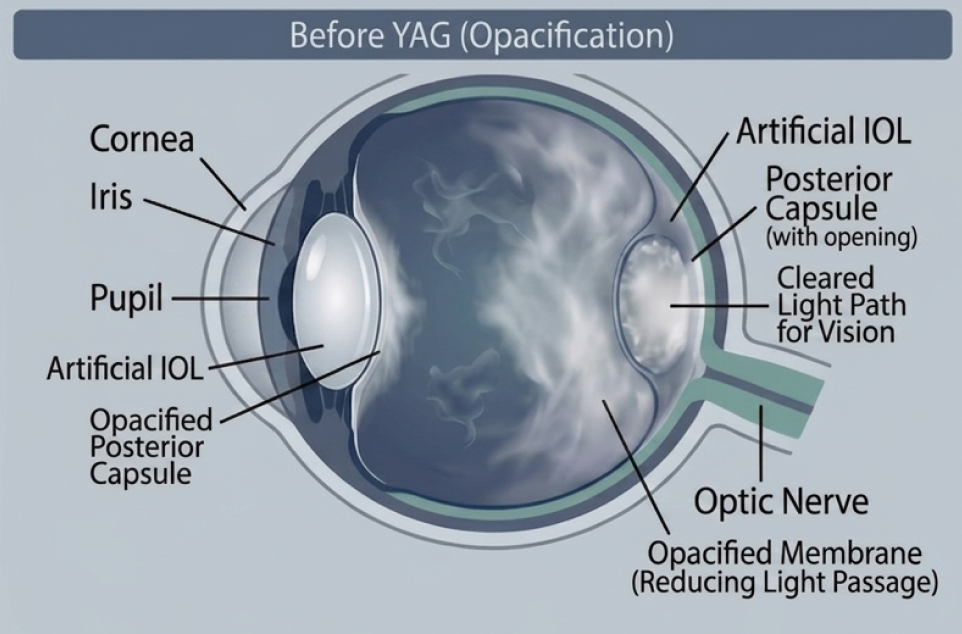
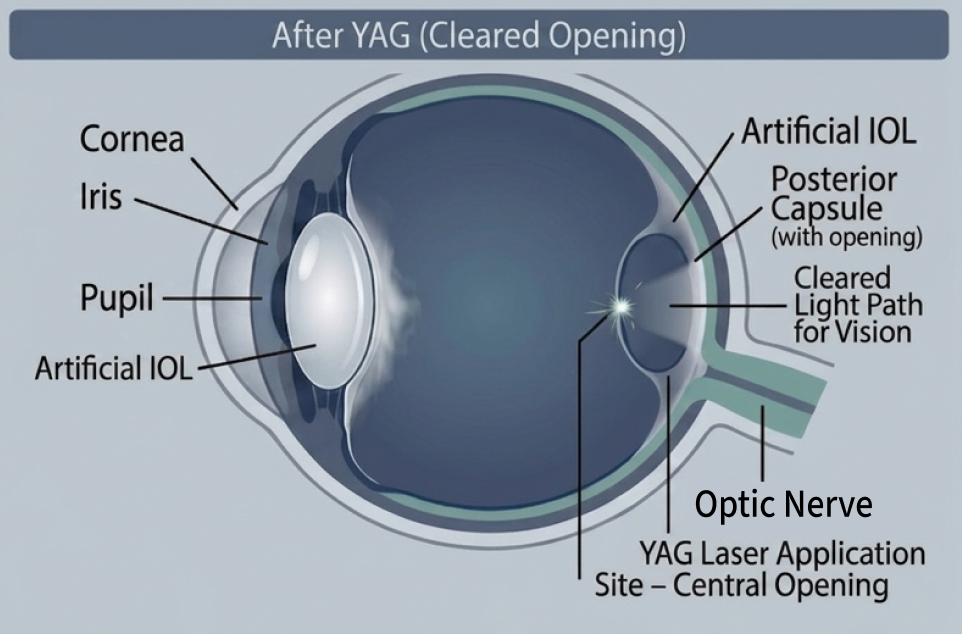
YAG laser posterior capsulotomy clears a clouded membrane that can develop after cataract surgery, so light can pass through clearly again.
After cataract surgery, the thin membrane that holds your new lens in place can gradually become cloudy. This is called posterior capsule opacification, and it can blur your vision in a way that feels similar to the original cataract. It is common, and it is not a sign that anything has gone wrong.
The procedure creates a small opening in the clouded membrane to let light pass clearly again. It usually takes around five minutes, and it is generally a one-off treatment. Most people notice their vision clearing soon afterwards.
YAG laser peripheral iridotomy makes a tiny opening in the iris so that fluid can flow more freely inside the eye. It is used for people with narrow drainage angles, or narrow-angle glaucoma, where the angle is at risk of closing.
The treatment is designed to reduce the risk of an acute angle-closure attack, which is a sudden, painful rise in eye pressure. It is a quick procedure, and your surgeon may treat one or both eyes depending on your assessment.
Each of these laser procedures is a day visit, so there are a few practical things to plan for around your appointment.
You can read more about the conditions these lasers treat on our glaucoma page and our cataract surgery page.
Most people feel little or no pain. Anaesthetic drops numb the eye first, and you may notice flashes of light or mild pressure during the procedure. Any discomfort afterwards is usually brief.
SLT and YAG procedures generally take around five to ten minutes per eye. Your overall appointment is longer, to allow for drops, preparation, and a short check afterwards.
It depends on the procedure, and your surgeon will explain what to expect for your situation.
Yes. If you have not yet been referred, speak with your GP or optometrist. Our New Patients page explains what to bring to your first visit.
The pages below cover the two conditions these lasers are used for, and what to expect when you come to us for the first time.
How raised pressure damages the optic nerve, how it is monitored, and where SLT sits alongside drops and surgery.
TreatmentHow a cloudy lens is replaced, the lens options available, and why the capsule behind it can cloud again later.
Patient informationHow referrals work, what to bring to your first visit, and what happens at a specialist appointment.
Laser treatments are a routine part of specialist eye care, and we are happy to answer your questions. Ask your optometrist or GP for a referral, then get in touch to arrange your appointment.
Our specialist ophthalmologists hold specialist registration with AHPRA. This information is general in nature and is not a substitute for personalised medical advice. Please speak with your ophthalmologist about your individual circumstances.