Eye condition
Eyelid conditions range from uncomfortable lumps and cysts to structural problems that change how the eyelid sits against the eye. At Eastwood Eye Surgery, our ophthalmologists assess and manage functional eyelid conditions, explaining your options and arranging treatment where it is appropriate. Many of these problems are first noticed by an optometrist or GP, who may refer you to us.
This page covers the eyelid conditions we see most often, with each explained in its own section below:
Chalazion: a blocked oil gland in the eyelid.
Entropion: the lower eyelid turning inward.
Ectropion: the lower eyelid turning outward.
Eyelid lesions: lumps or growths on the eyelid.
Ptosis: a drooping upper eyelid.
Your eyelids spread the tear film with every blink, protect the eye, and house the oil glands that keep tears stable. When this is disrupted, the result can be discomfort, watering, or a risk to the cornea.
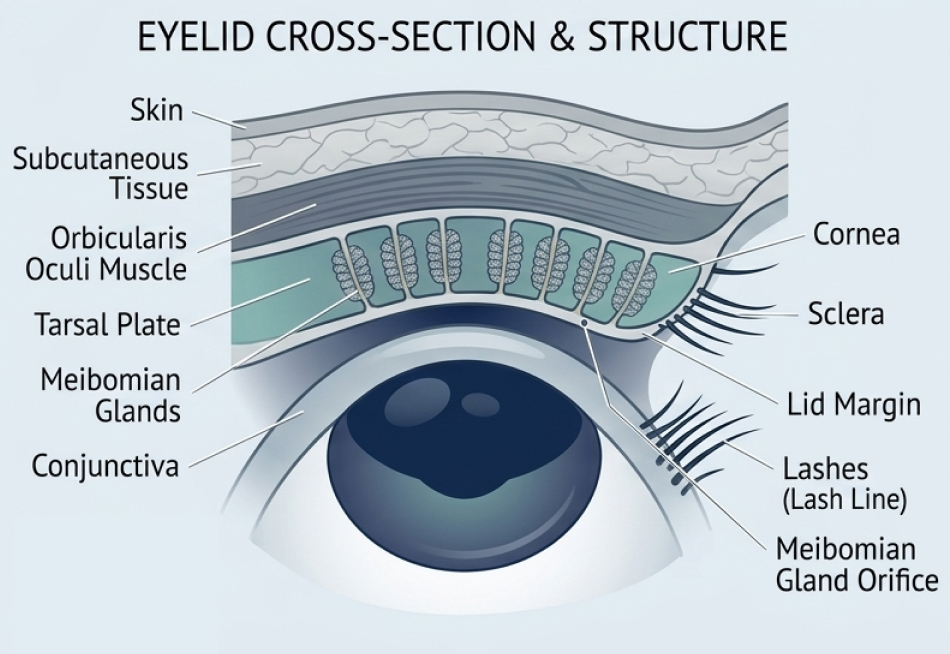
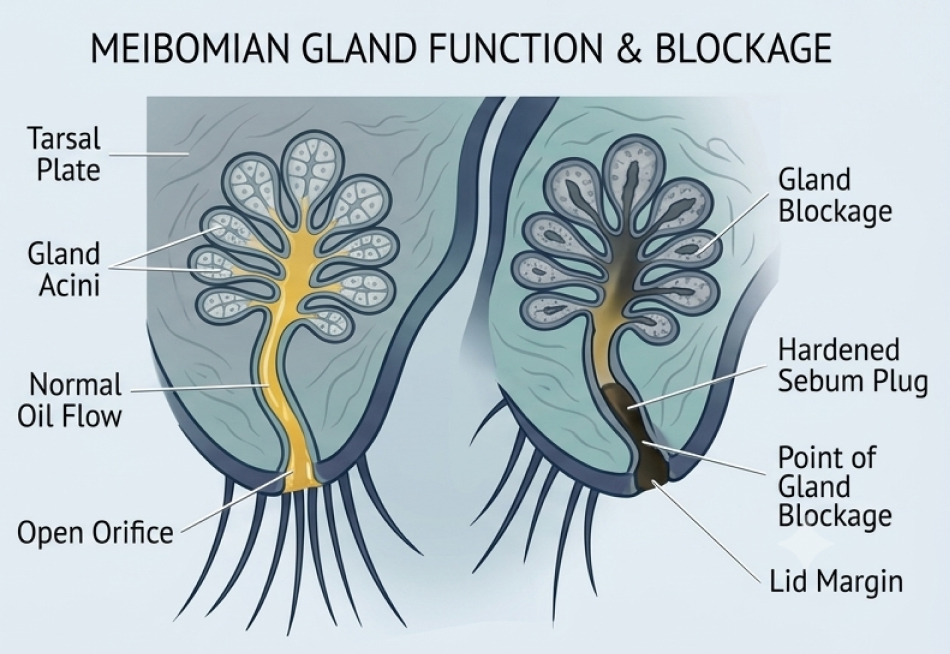
A chalazion is a small lump in the eyelid that forms when one of the oil-producing meibomian glands becomes blocked. It is typically non-tender, though some chalazia cause discomfort as they enlarge or become inflamed. It sometimes settles on its own over several weeks.
A chalazion is sometimes confused with a stye (hordeolum), an infection of an eyelid gland that is usually more painful, red, and acute. The two are managed differently, so an accurate diagnosis matters.
Treatment usually begins with simple measures. Warm compresses applied several times a day can soften the blocked oil and encourage the lump to drain. Where a chalazion persists, your doctor may consider a steroid injection or minor surgical removal.
Entropion is a condition in which the lower eyelid turns inward, so the eyelashes rub against the surface of the eye. It is most often age-related, caused by a gradual loosening of the tissues that hold the eyelid in position.
The rubbing can cause irritation, watering, redness, and a gritty sensation. Because the lashes contact the cornea, untreated entropion can lead to corneal abrasion or scarring, so prompt assessment matters.
Entropion is corrected with eyelid surgery that restores the lid to its normal position. Your surgeon will assess the cause and discuss what the procedure involves.
Ectropion is the opposite of entropion, where the lower eyelid droops or rolls outward, away from the eye, exposing the inner surface of the lid. It is usually age-related, but it can also follow facial nerve weakness (palsy), scarring, or trauma.
When the eyelid no longer sits snugly against the eye, tears are not spread or drained properly. This commonly causes watering, redness, irritation, and chronic dryness.
Ectropion is treated with surgical correction to return the eyelid to its normal position. The right approach depends on the underlying cause, which your surgeon will explain after examining the eyelid.
Eyelid lesions are lumps or growths that appear on the eyelid skin or along the lid margin. Most are benign, such as skin tags (papillomas), small cysts, and age-related skin changes.
We do not diagnose a lesion from its appearance alone. A specialist assessment, and where appropriate a biopsy (removing a small sample of tissue to examine under a microscope), helps establish what it is and whether it needs treatment.
Management depends on the type of lesion. One that is clearly benign and causing no problems may simply be monitored. Where a lesion is changing, irritating, or uncertain, your surgeon may recommend removal so the tissue can be examined.
Ptosis is a drooping of the upper eyelid that sits lower than its normal position. When significant, the droop can cover part of the pupil and reduce the upper field of vision, making tasks such as reading or driving more difficult.
It is most often age-related, caused by stretching or weakening of the muscle and tendon that lift the eyelid. It can also result from a neurological or muscular cause your specialist will consider.
Treatment is considered when the droop affects vision or daily function. Ptosis repair surgery aims to restore normal eyelid position and improve the visual field. This is a functional correction rather than a cosmetic one, assessed on how the eyelid affects your vision rather than its appearance.
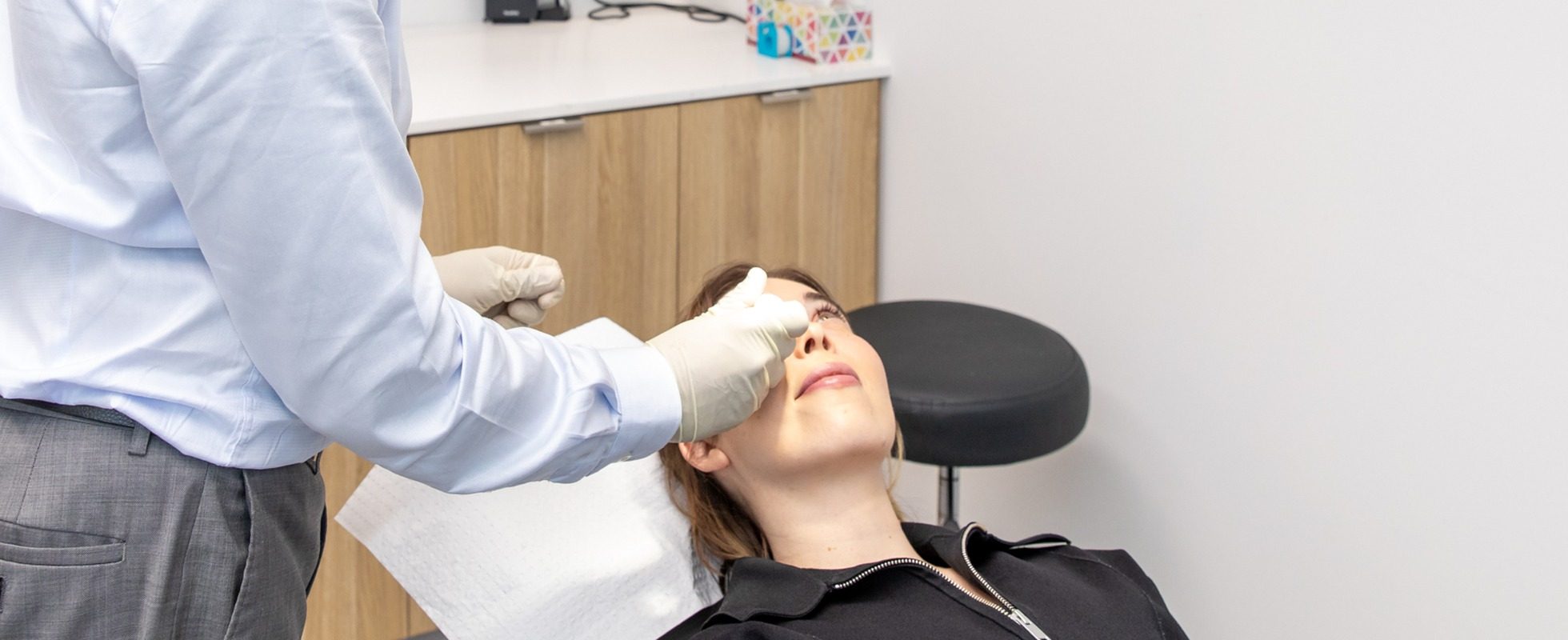
Surgical treatment for eyelid conditions is tailored to the specific problem and always based on individual assessment. Your surgeon will explain the recommended approach, what it involves, and what recovery looks like. Where a procedure is recommended, the steps, anaesthetic and recovery for each operation are set out in full on our Eyelid Procedures page.
Several eyelid symptoms warrant specialist review. It is worth seeking assessment when:
If you notice sudden eyelid swelling with significant pain, marked redness, or a rapid change in vision, please contact your GP or our rooms promptly.
Your first appointment focuses on an accurate diagnosis so treatment is targeted to your condition. Your surgeon will ask about your symptoms and general health, then examine the eyelids, lid margins, and surface of the eye.
We will explain what we find in plain language and agree a management plan, which may involve simple measures, monitoring, or a procedure where appropriate.
Eyelid-related tearing can overlap with ocular surface problems, so where relevant we may also assess related causes covered on our Cornea and Ocular Surface page.
The pages below cover the operations used to correct these eyelid problems, the ocular surface conditions that can cause the same watering and irritation, and what to expect if you are coming to us for the first time.
The steps, anaesthetic and recovery for chalazion removal, entropion and ectropion correction, lesion excision and ptosis repair.
Eye conditionDry eye, watery eye and blepharitis, the ocular surface causes of watering and irritation that can overlap with an eyelid problem.
Patient informationWhat your referral needs to cover, what to bring to a first appointment, and what happens when you arrive at our Eastwood rooms.
Further patient information:
RANZCO Eye Conditions (opens in a new tab) AAO What Is Blepharitis? (opens in a new tab)To arrange an appointment, contact our rooms if you have been referred to Eastwood Eye Surgery, or you are living with a persistent eyelid lump, irritation, watering, or a drooping eyelid. Please bring your referral letter and previous eye test results. You can also read our new patient information.
Eyelid services at Eastwood Eye Surgery are provided by specialist ophthalmologists. This information is general in nature and is not a substitute for personalised medical advice. Please speak with your ophthalmologist about your individual circumstances.