Treatment
We perform eyelid surgery for medical conditions that affect how your eyelids work and protect your eye. These procedures address blocked lid cysts, drooping that obscures vision, in-turning or out-turning lids, and lesions that need assessment, and they are carried out by specialist ophthalmologists. This page covers medically indicated eyelid surgery only, not cosmetic surgery.
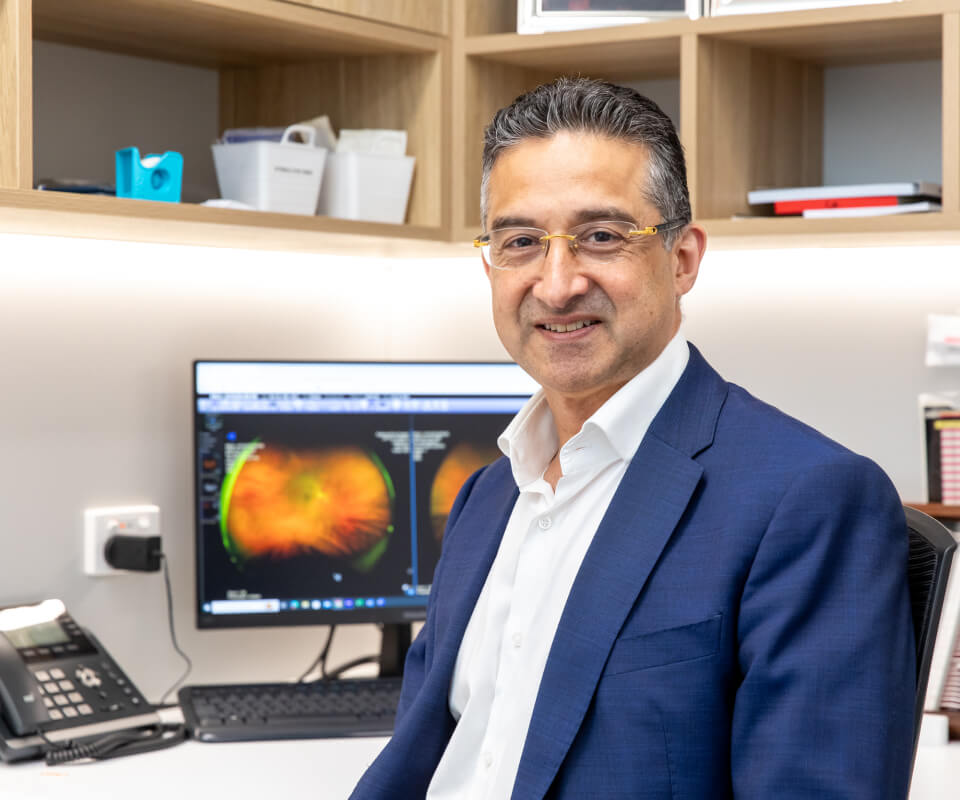
Most eyelid procedures are performed as day surgeries under local anaesthesia, allowing patients to return home the same day.
Conservative care is often the first step, and some conditions are closely monitored or managed without surgery before a procedure is considered.
Any removed tissue or lesion is sent for pathology testing to accurately confirm its nature.
A current GP or optometrist referral is required for an assessment and supports a Medicare rebate on the consultation fee.
Recovery generally takes weeks rather than months, with most patients healing steadily over the weeks following the procedure.
Eyelid surgery is recommended when a lid problem affects how your eye works rather than how it looks. Your eyelids protect the eye, spread the tear film, and keep the surface healthy, so a lid that does not sit or move correctly can cause irritation, watering, blurred vision, or surface damage.
When an eyelid problem affects your vision or comfort, we assess the cause first, then your surgeon discusses whether a procedure is appropriate for your situation and, where suitable, can arrange it for you. The sections below explain the conditions behind each procedure and what treatment involves.
A chalazion is a firm and typically non-tender lump in the eyelid caused by a blocked meibomian oil gland. Many of these swellings resolve naturally over several weeks with the use of warm compresses and gentle massage.
When a cyst persists, recurs, or presses on the eye and affects vision, a minor procedure can remove it. Where removal is appropriate, it is generally carried out by incision and curettage.
A small opening is made, usually on the inner surface of the eyelid, and the contents of the cyst are cleared. Your surgeon will advise whether the procedure is undertaken at the practice or arranged for you.
Recovery is usually straightforward. You may have an eye pad for the first day. Your surgeon will explain how to care for the area and when to resume normal activities.
Removal may be recommended when a chalazion:
Ptosis is a drooping of the upper eyelid that can lower the lid into your field of view. When it sits low enough to block part of your vision, you may find yourself raising your eyebrows or tilting your head back to see clearly.
Ptosis repair is a functional procedure designed to lift the eyelid into a more natural position. The surgery typically involves tightening or repositioning the levator muscle, which raises the upper eyelid, allowing the lid to sit higher.
Your surgeon will examine how far the eyelid droops, how well the lifting muscle works, and how the position affects your sight before advising whether surgery is suitable. If your vision was obscured by the eyelid, you may notice an improved field of view once the area has healed. Individual results vary, and your surgeon will explain what to expect in your situation.
Entropion and ectropion are conditions where the eyelid turns the wrong way. In entropion, the eyelid turns inward, so the lashes rub against the eye and cause irritation. In ectropion, the lower eyelid turns outward, away from the eye, which can lead to watering, dryness, and exposure of the eye surface.
Both are corrected surgically by restoring the eyelid to its normal position. Correcting entropion relieves the rubbing that irritates the cornea. Correcting ectropion helps the lid sit against the eye again, improving tear drainage and protecting the surface.
Left untreated, a poorly positioned eyelid can cause persistent discomfort and, in some cases, damage to the eye surface.
If you have ongoing irritation, watering, or a lid that does not sit correctly, we can assess whether correction is appropriate.
Eyelid lumps and lesions are common, and most are not serious. Some, however, need to be removed and examined. Any pigmented, ulcerated, bleeding, or changing lesion should be assessed promptly by a specialist rather than watched at home.
When removal is appropriate, the lesion is generally excised and sent for pathology testing in a procedure known as an excision biopsy. This allows the tissue to be examined under a microscope to accurately confirm its nature.
How the wound is closed depends on the size and position of the area removed. A small excision may be closed directly, while a larger one may need a small flap or graft to restore the eyelid. Your surgeon will explain the approach planned for you and what the healing process involves.
If a lesion is, or is suspected to be, a skin cancer, we will discuss the findings with you and your referring doctor and explain the next steps.
Your eyelid care at our Eastwood practice in Sydney begins with a specialist assessment. We examine the eyelid and the eye, talk through your symptoms, and explain whether a procedure is appropriate and what it involves.
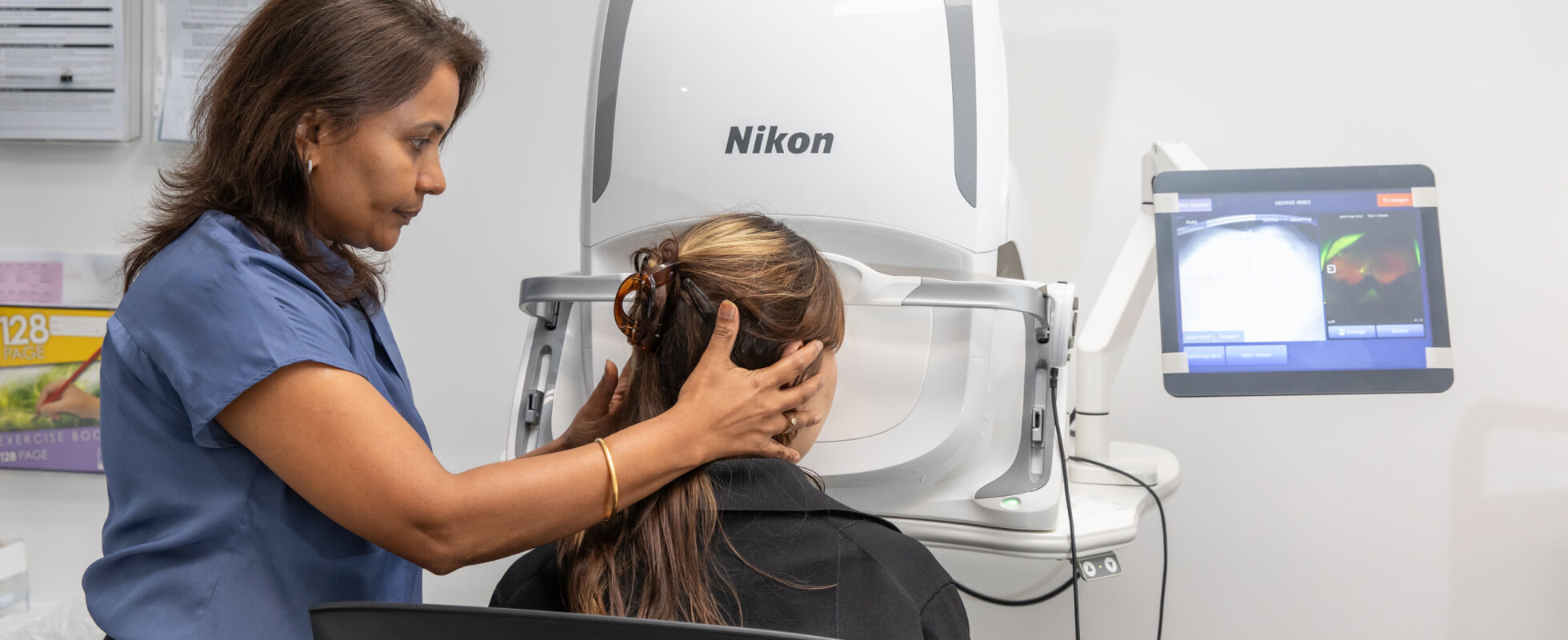
Eyelid procedures at our practice are generally performed under local anaesthesia as outpatient surgery, so you can usually go home the same day.
Afterwards, we provide recovery instructions and arrange follow-up to check that the area is healing well. If you have any concerns during recovery, you are welcome to contact our rooms.
Eyelid procedures are generally performed under local anaesthesia, so the area is numbed throughout. Some tenderness, bruising, and swelling afterwards are normal, and your surgeon will advise on managing any discomfort.
Recovery varies by procedure and by individual. For most eyelid procedures, bruising and swelling settle over one to two weeks, with the area continuing to heal in the following weeks. Your surgeon will give you a timeline based on the procedure you have.
The procedures on this page are functional and medical. They address conditions that affect how your eyelids work and protect your eye, not how they look, and we do not promote cosmetic eyelid surgery here.
A referral from your GP or optometrist is required to see a specialist ophthalmologist at our practice, and a current referral also supports a Medicare rebate on your consultation.
The pages below cover the conditions behind these procedures, the ocular surface problems a lid that does not sit correctly can cause, and what to expect if you are coming to us for the first time.
Chalazion, entropion, ectropion, eyelid lesions and ptosis, how each one is recognised and when it is worth having reviewed.
Eye conditionsDry eye, watery eye and blepharitis, the surface problems behind the watering and irritation a poorly positioned lid can bring on.
Patient informationWhat a referral needs to include, what to bring to your first appointment, and how a Medicare rebate applies to your consultation.
Booking an eyelid assessment is straightforward. If you have an eyelid concern, contact our rooms and we can assess the cause and discuss whether a procedure is appropriate for you. You can also read our new patient information.
All eyelid procedures here are carried out by specialist ophthalmologists. This information is general in nature and is not a substitute for personalised medical advice. Please speak with your ophthalmologist about your individual circumstances.