Treatment
Cataract surgery removes the eye's clouded natural lens and replaces it with a clear artificial lens, so light can once again pass to the back of the eye. It is a day procedure performed under local anaesthetic by our surgeons, with no overnight stay. For many patients vision improves significantly within days.
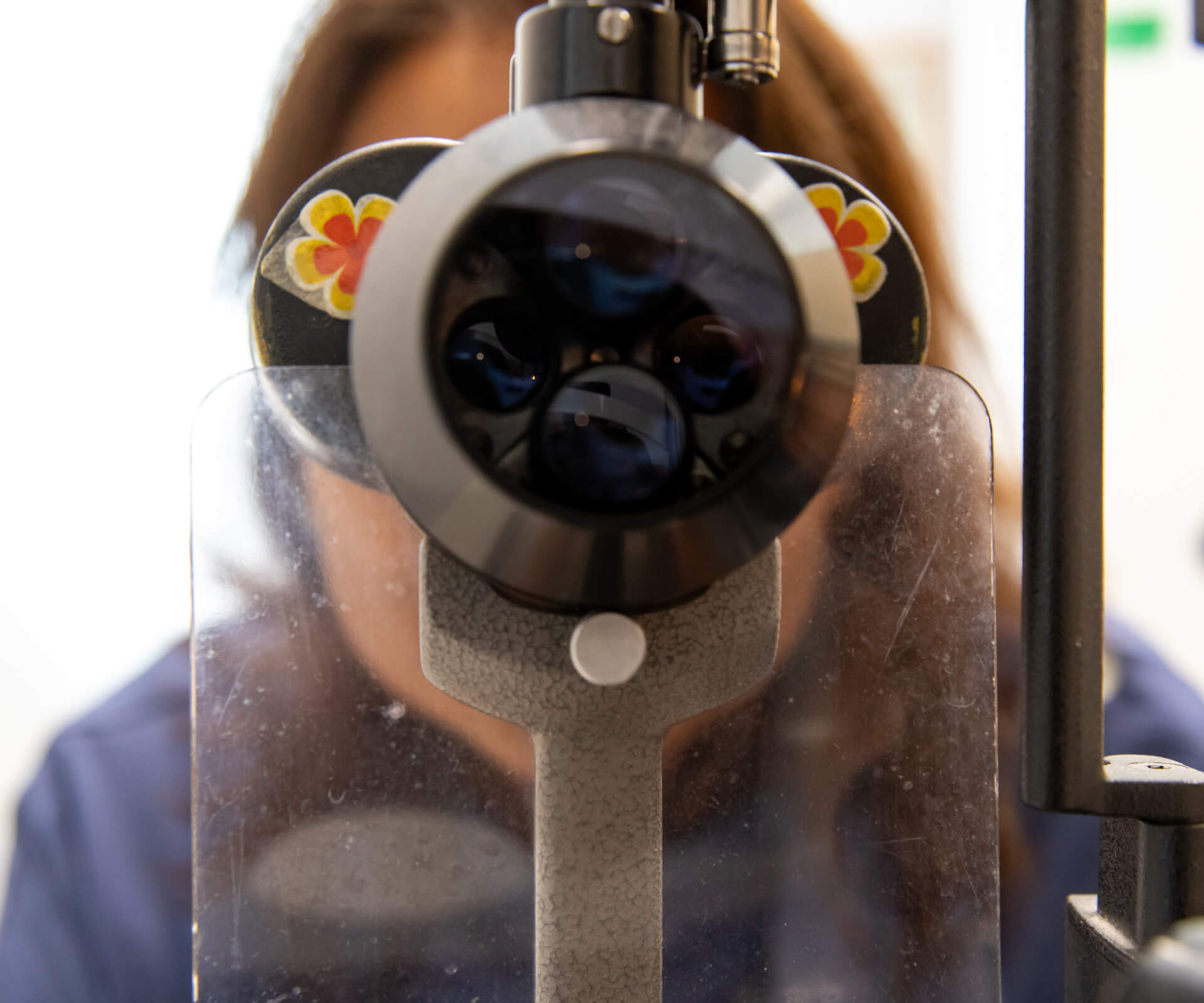
The technique is phacoemulsification, where ultrasound softens the clouded lens for removal through a tiny incision
A short procedure. The surgery itself is quick, with a little extra time on the day for preparation and recovery
Your lens is a choice. Monofocal, toric, and extended-depth-of-focus options each suit different vision goals
Arrange a lift home. You cannot drive after surgery, so arrange transport and someone to stay with you that first evening
Two surgeons perform this procedure: Dr Gagan Khannah and Dr Rajiv Shah
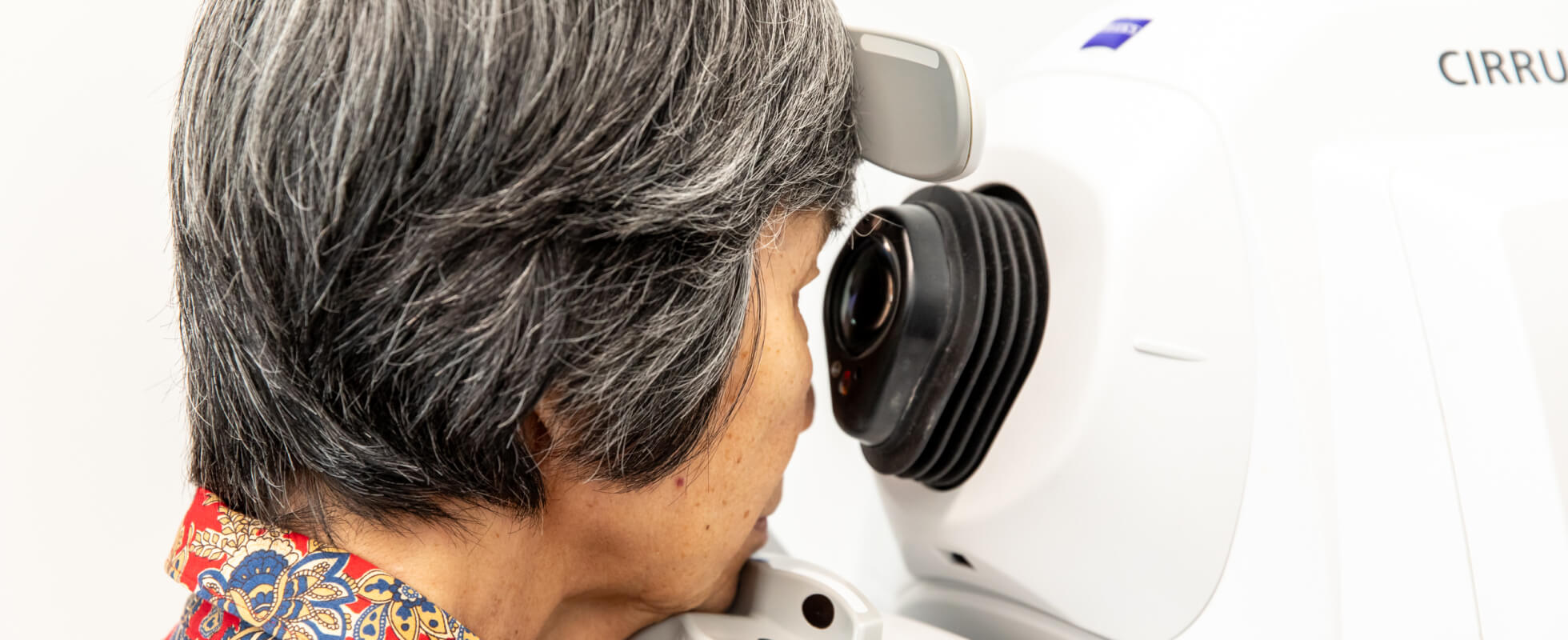
Cataract surgery replaces the eye's natural lens once it has clouded enough to affect daily life. A cataract cannot be cleared with glasses or eye drops, so surgery is the only effective treatment.
Our surgeons use a technique called phacoemulsification. Through a small incision at the edge of the cornea, gentle ultrasound energy breaks up the hardened lens, which is then removed by suction.
A folded artificial lens, known as an intraocular lens or IOL, is then inserted through the same incision. Sedation can be added to the local anaesthetic if required, keeping patients awake but comfortable throughout the procedure.

Our cataract surgeons are Dr Gagan Khannah FRANZCO and Dr Rajiv Shah FRANZCO. Both are Fellows of the Royal Australian and New Zealand College of Ophthalmologists (RANZCO), the specialist college for ophthalmology in Australia and New Zealand.
Dr Khannah's primary subspecialty is cataract and refractive surgery, with training at Sydney Eye Hospital. Dr Shah specialises in glaucoma and complex anterior-segment surgery, including cataract surgery combined with glaucoma management.
Your referring doctor or optometrist will indicate which surgeon best suits your situation.
Following cataract surgery, your cloudy natural lens is replaced with a clear artificial lens, known as an intraocular lens (IOL). There are several different types of IOLs available, each designed to suit different vision needs, lifestyles and personal preferences. Your ophthalmologist will help you choose the lens that best matches your eyes and the activities that matter most to you.
Best for: Clear vision at one distance
Monofocal lenses provide clear vision at a single focal point. You and your surgeon decide whether that point is distance, intermediate or near. Most people choose to have their distance vision corrected, allowing them to comfortably drive, watch television, attend sporting events and enjoy outdoor activities without glasses.
However, because the lens only focuses at one distance, you will usually need reading glasses for activities such as:
Monofocal lenses remain the most commonly implanted IOL. For many patients they provide good quality of vision at the chosen focal point, though individual results vary. They are covered by Medicare for eligible patients.
Best for: Greater independence from glasses
Multifocal lenses are designed with multiple focusing zones, allowing you to see clearly at distance, intermediate and near without relying as much on glasses.
These lenses may suit people who enjoy an active lifestyle and want greater freedom during everyday activities such as:
While many patients significantly reduce their need for glasses, some people may notice halos or glare around lights at night, particularly when driving.
Best for: Smooth, continuous vision across a range of distances
Extended Depth of Focus (EDOF) lenses create one elongated focus rather than several separate focal points. This provides a seamless transition between distance and intermediate vision, with functional near vision for many daily tasks.
These lenses are popular among patients who spend considerable time:
You may still require reading glasses for prolonged close work or very fine print.
Best for: Natural focusing at different distances
Accommodative lenses are designed to move slightly within the eye, allowing them to change focus more naturally as your eyes shift between different distances.
These lenses may benefit patients whose daily routine involves frequently changing focus, such as:
The amount of near vision achieved varies between individuals, and some patients may still require glasses for detailed reading.
Best for: Patients with astigmatism
Astigmatism means the cornea or natural lens has an uneven curvature. If you have it, a standard lens may still leave you needing glasses after surgery.
A toric IOL is designed to correct astigmatism at the same time as your cataract surgery, which aims to improve the clarity of your vision. Individual results vary.
Patients who often benefit from toric lenses include those who enjoy:
Toric lenses can also be combined with monofocal, multifocal or Extended Depth of Focus designs, depending on your visual goals.
There is no single best lens. The right one is the lens that best matches your eyes, your lifestyle and your visual priorities. During your consultation, your ophthalmologist will discuss your daily activities, occupation, hobbies and expectations to recommend the most appropriate option for achieving your desired vision after cataract surgery.
On lens brands: We do not name specific lens brands here. Intraocular lenses are regulated medical devices, and the right choice depends on your individual assessment, which your surgeon will explain at your consultation.
Epping Surgery Centre is our main day-surgery venue. Depending on your surgeon and procedure, surgery may also take place at Sydney Eye Hospital, Macquarie University Hospital or Chatswood Private Hospital. Your team will confirm the venue. On the day, your visit includes preparation, the procedure and a short recovery before you go home.
Dilating drops widen your pupil and the nursing team completes a pre-operative assessment. If sedation is planned, an anaesthetist will speak with you first.
You lie down, the eye is cleaned and draped, and you look towards a light. Most patients are aware of light and movement but do not see the surgery happening.
A shield is placed over the eye and you are monitored in recovery before you go home with the person you have arranged to collect you.
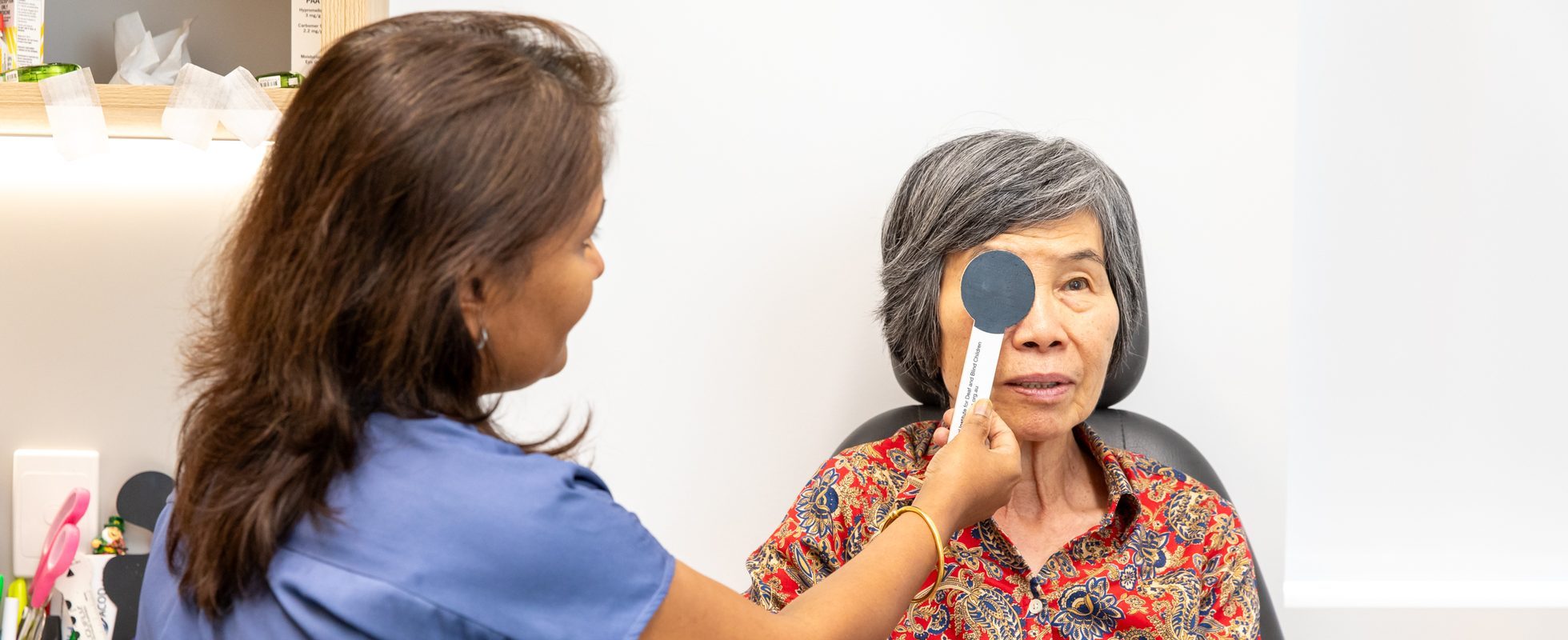
Recovery from cataract surgery is generally straightforward, though experiences vary and it is important not to rush it.
Cataract surgery is a well-established procedure with a good safety record, but surgical risks are real. Your surgeon is obliged to discuss them with you before you consent to proceed.
Risks your surgeon will explain include the following.
Your surgeon will go through these risks in detail at your consultation, so you can weigh them against the benefits and decide what is right for you.
Your cataract assessment begins with us taking time to understand your vision, your daily activities, and your goals. Not everyone needs surgery immediately; the decision depends on the degree of vision loss and how it affects your life.
We then talk you through the plan, the lens choice, and what to expect, so you can decide with confidence. If you have not been to us before, our new patient information explains what to bring and what to expect at your first visit.
The procedure itself typically takes 15 to 30 minutes. Your overall time at the centre is longer, to allow for preparation and recovery.
Whether you need glasses depends on the lens you choose and your individual result, as set out in the lens options above. Your surgeon will discuss realistic expectations with you at your assessment.
In most cases, the eyes are treated at separate appointments a short interval apart. This lets the first eye heal and settle before the second is treated, and reduces the risk of complications affecting both eyes at once.
Laser cataract surgery, known as femtosecond laser-assisted cataract surgery (FLACS), is a technique in which a laser performs some steps otherwise done by hand, while ultrasound still removes the lens itself. Some surgeons use it for specific cases while others achieve equivalent outcomes manually. Your surgeon will discuss the most appropriate technique for your eye.
Yes, a referral is required from your GP or optometrist to see one of our specialists. If you have not yet been referred, speak with your GP or optometrist.
The pages below cover the condition behind the surgery, the surgeon most often involved in cataract care at Eastwood Eye Surgery, and what to expect at your first visit.
What a cataract is, the signs you may notice and how we confirm the diagnosis, before surgery is considered.
Your surgeonOur cataract and refractive subspecialist, who trained at Sydney Eye Hospital and performs this procedure.
Patient informationWhat your referral needs to cover, what to bring and how to prepare for your first appointment with us.
Cataract surgery is a significant decision, and we encourage you to ask questions at every step. Ask your optometrist or GP for a referral, then get in touch to arrange your assessment.
Our surgeons hold specialist registration with AHPRA. This information is general in nature and is not a substitute for personalised medical advice. Please speak with your ophthalmologist about your individual circumstances.