B Com (IT), MBBS (Hons), M.Med, FRANZCO
Specialist Ophthalmologist, Medical Retina
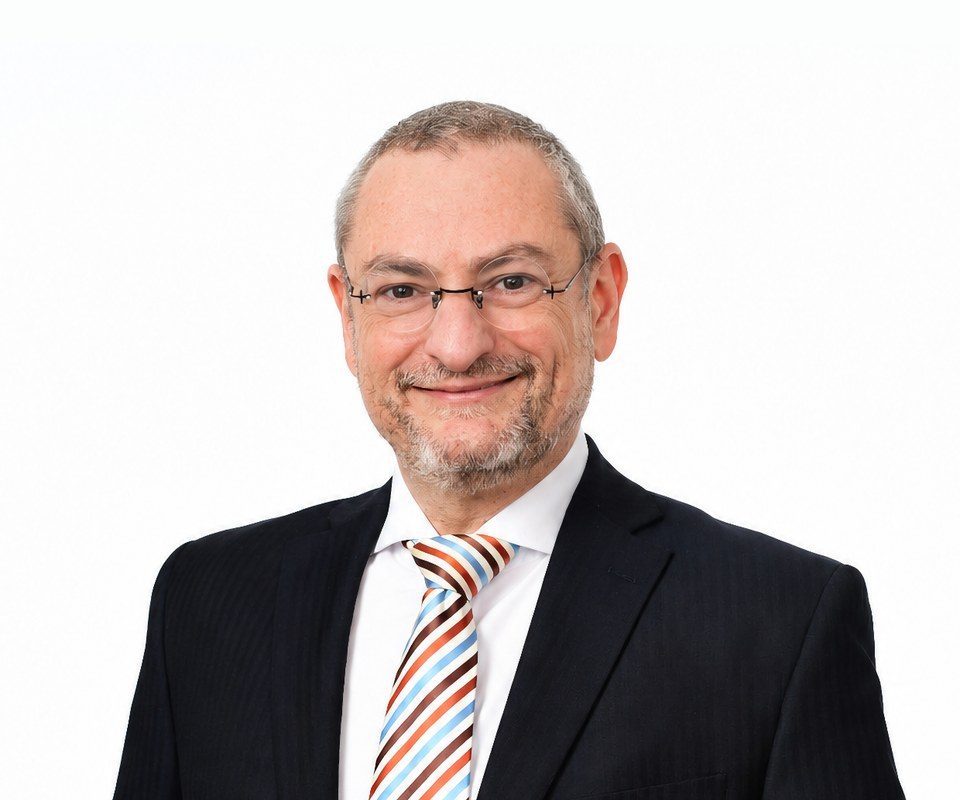
Dr Dov Hersh is a specialist ophthalmologist and eye surgeon with subspecialty training in diseases of the retina. Passionate about patient-centred care, Dr Hersh dedicates his practice to protecting functional vision and long-term quality of life for his patients. He blends his subspecialty clinical training with an approachable, reassuring manner, ensuring his patients feel fully supported when managing complex conditions at the back of the eye.
Dr Hersh is a Fellow of the Royal Australian and New Zealand College of Ophthalmologists (RANZCO), the official qualifying credential for specialist eye surgeons in Australia.

Dr Hersh specialises in Medical Retina, which focuses on the non-surgical diagnosis, monitoring, and medical management of conditions affecting the light-sensitive tissue at the back of the eye.
Because many retinal conditions can progress quietly without early symptoms, Dr Hersh relies on high-resolution, imaging-led monitoring at every review to catch subtle changes early. His primary clinical interests include:
Providing detailed assessments and personalised management for both dry and wet forms of AMD to protect your central vision.
Tracking and treatment of diabetic retinopathy and diabetic macular oedema to prevent vision loss.
Comprehensive care and vascular monitoring following blockages in the retinal blood vessels.
Delivering anti-VEGF medication via gentle, precise eye injections to stabilise and manage fluid build-up in conditions like wet AMD.
Dr Hersh's clinical foundation is backed by a strong academic record and extensive subspecialty training at established medical institutions in Australia and the United Kingdom.
Dr Hersh earned his medical degree (MBBS) with First Class Honours from the University of Sydney, followed by a dedicated Master of Medicine in Ophthalmology. Prior to his medical career, he also completed a Bachelor of Commerce in Information Technology at the University of New South Wales.
He completed his comprehensive specialist ophthalmology training through the Sydney Eye Hospital network.
As part of his subspecialty training, Dr Hersh completed 2.5 years of advanced postgraduate fellowship training at two established European eye hospitals: Bristol Eye Hospital and Moorfields Eye Hospital in London. During this time, he trained directly alongside experienced clinicians in the medical retina field.
Dr Hersh is deeply committed to staying current with modern ophthalmic medicine, ensuring his patients always benefit from the latest evidence-based treatments.
Throughout his fellowships and current practice, Dr Hersh has been appointed as a clinical investigator in numerous multi-national clinical trials studying emerging, next-generation treatments for retinal diseases.
He has published multiple peer-reviewed scientific manuscripts in international ophthalmology journals and regularly contributes to the global retinal research literature.
Long before establishing his private practice, Dr Hersh demonstrated a deep commitment to helping others. As a medical student, he successfully established innovative telemedicine projects to bring vital eye-care access to developing nations. In recognition of his humanitarian efforts and leadership, he was named a semi-finalist for the Young Australian of the Year award.
Managing a retinal condition is typically an ongoing process rather than a one-time fix. It relies on a steady, trusted relationship with your specialist to keep your vision stable over the years.
When you see Dr Hersh at our Eastwood rooms, your consultation will be built around precise diagnostics and complete transparency:
The pages below cover the two conditions Dr Hersh names first among his clinical interests, and the treatment he uses most often to keep them stable.
How AMD affects the macula, what separates the dry and wet forms, and why imaging picks up change before you notice it.
Eye conditionHow diabetes damages the retina, the changes that develop without symptoms, and the monitoring that finds them early.
TreatmentWhat an anti-VEGF injection involves, the retinal conditions it treats, and what to expect on the day and at each review.
A current referral from your GP or optometrist is all you need. Our team will contact you to arrange a time that suits you.
Contact our rooms