Eye condition
Glaucoma is a group of eye conditions in which damage to the optic nerve causes gradual, often irreversible loss of side vision. It is frequently symptomless in the early stages, so many people do not realise they have it until vision has already been lost. Treatment can slow or stop further damage in most people, though it cannot restore sight that has already gone.
Risk rises with age, family history and raised eye pressure, with several other factors covered below
Diagnosis relies on repeated tests over time, never a single reading
Treatment is matched to your type and stage, from eye drops and laser through to surgery
Monitoring continues for life, because glaucoma is managed rather than cured
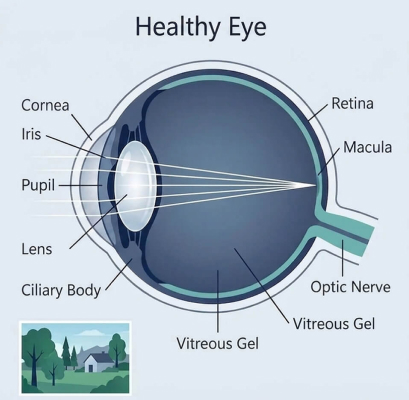
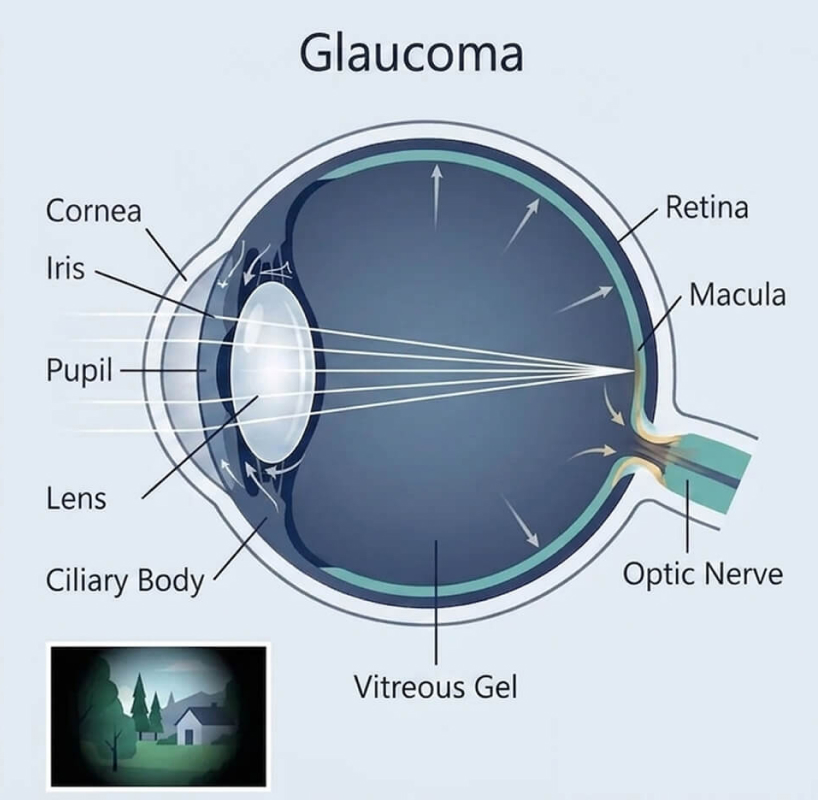
Glaucoma damages the optic nerve, the cable that carries visual information from your eye to your brain. Glaucoma Australia estimates around 300,000 Australians live with the condition, and roughly half remain undiagnosed.
Raised pressure inside the eye is usually responsible, though the nerve can also be harmed when pressure appears normal. This means pressure alone does not tell the whole story.
Catching glaucoma early provides the best chance to prevent significant damage. The condition often goes unnoticed until it is well established because it usually affects side vision first.
There are several forms of glaucoma, and the right care depends on which type you have. The most common types seen in specialist practice are described below.
Open-angle glaucoma is the most common form and develops slowly over years as the eye's drainage meshwork becomes less efficient and pressure rises.
There is usually no pain, and central vision often seems normal until the disease is advanced, so it is commonly picked up at a routine optometry check rather than by the patient.
Angle-closure glaucoma occurs when the drainage angle narrows or closes, blocking fluid from leaving the eye. It can develop slowly or strike suddenly.
A sudden, acute attack brings severe eye pain, blurred vision, redness, and nausea. This is a medical emergency that needs immediate assessment.
Normal-tension glaucoma damages the optic nerve even though eye pressure sits within the normal range. The cause is not fully understood, though vascular factors and nerve sensitivity are thought to contribute.
Because pressure readings alone can miss it, this type needs careful specialist assessment to diagnose.
Secondary glaucoma arises from another eye condition or health problem, such as inflammation, injury, or long-term steroid use. Managing the underlying cause becomes part of your treatment.
The early stages give little warning. As glaucoma progresses, signs can develop, including:
Some people face a higher risk of glaucoma. Knowing your risk helps you and your optometrist decide how often to screen.
Risk factors include:
If one or more of these apply to you, we recommend discussing regular screening with your GP or optometrist.
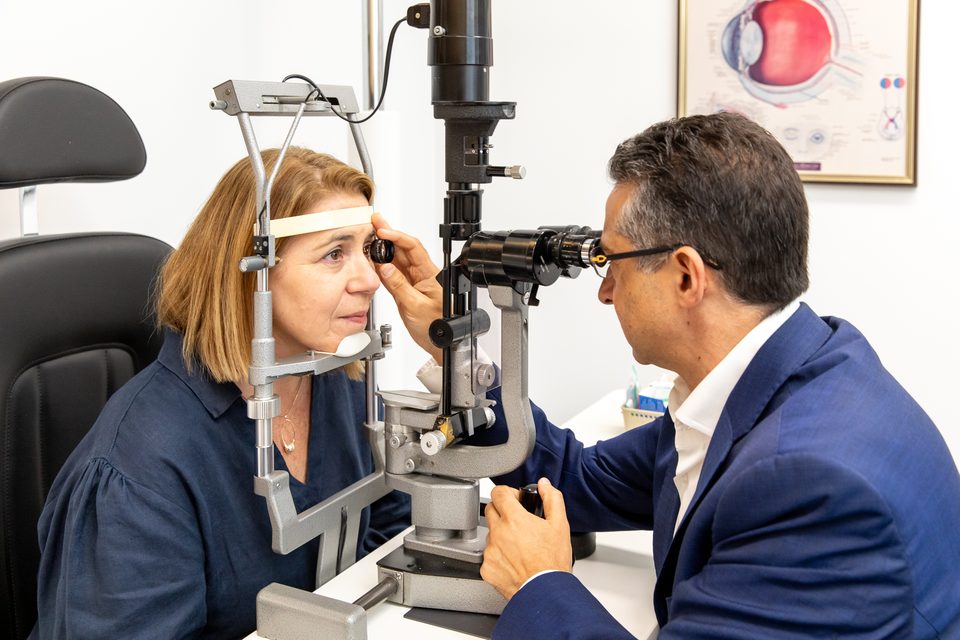
Glaucoma is usually first suspected by an optometrist during a routine eye examination. If their findings raise concern, you will be referred to a specialist for a fuller assessment.
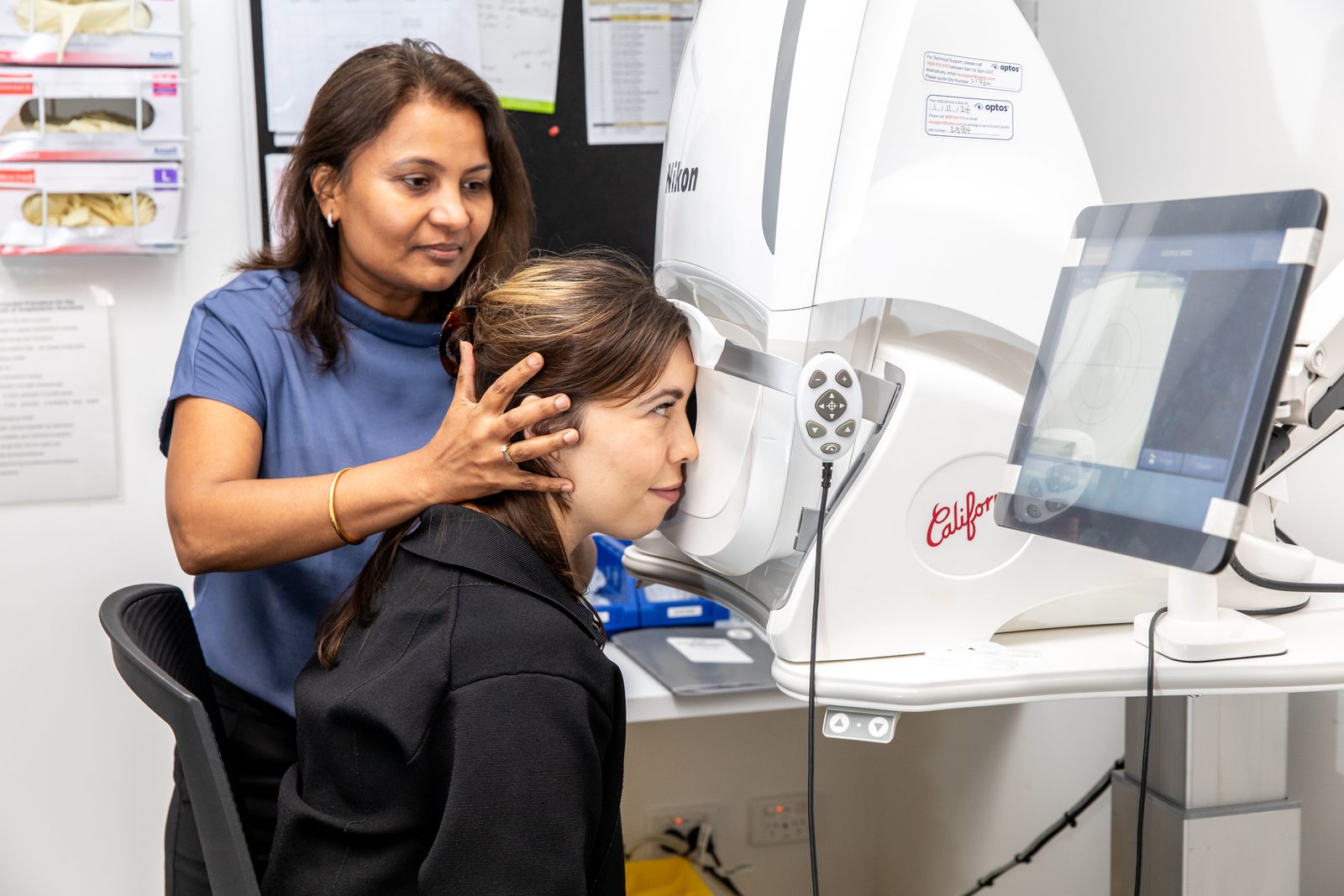
When you see us, that assessment combines several tests to build a complete picture:
Matched to your corneal thickness, so the reading reflects your eye rather than a standard average.
An examination of the drainage angle using a special contact lens.
Maps any loss of side vision, which is usually where glaucoma shows first.
Optical coherence tomography imaging of the optic nerve and the nerve fibre layer.
A detailed look at the front and the back of the eye under magnification.
Glaucoma cannot be confirmed from a single measurement. We review these findings together and track them at regular intervals to see how your eyes change.
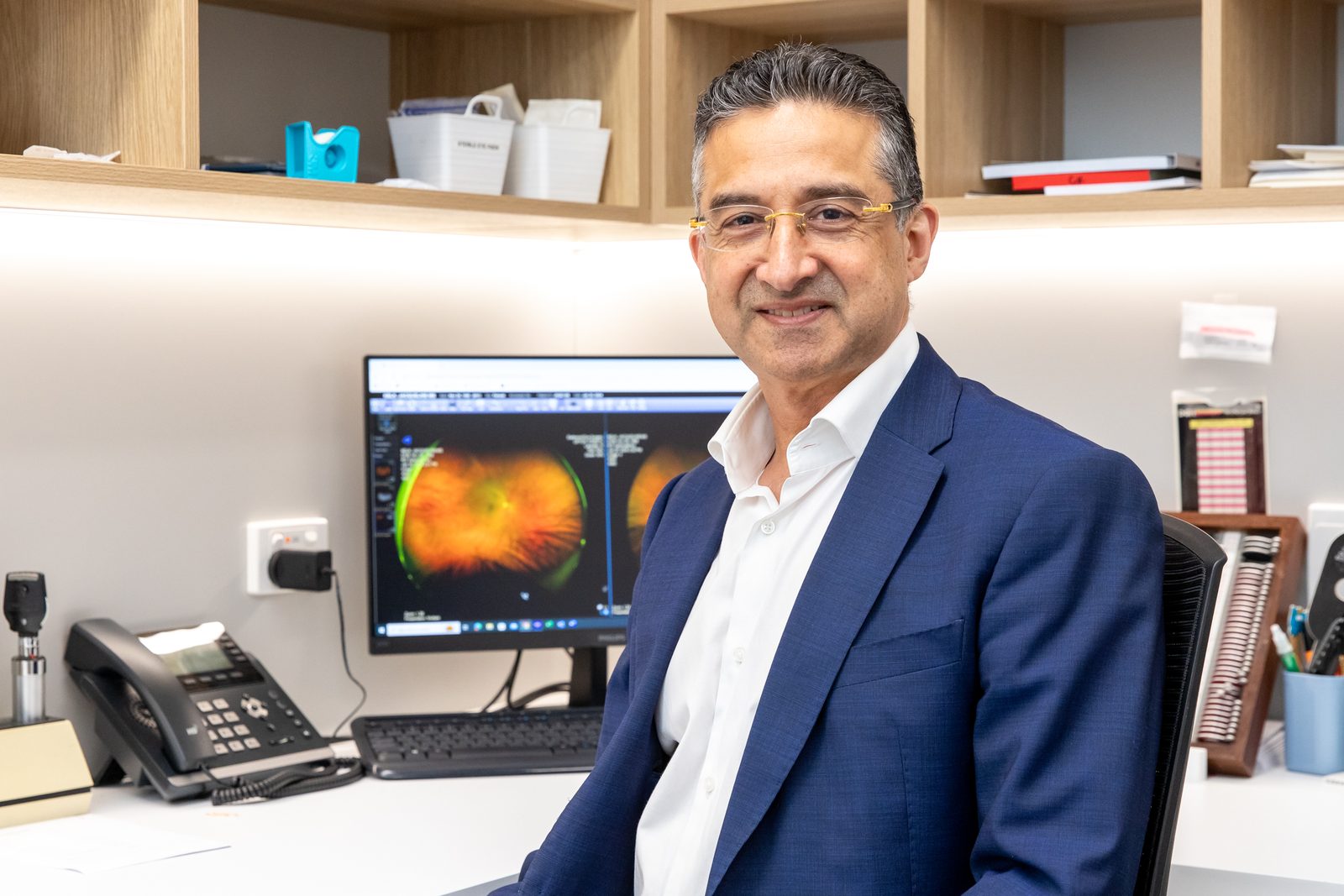
Dr Rajiv Shah trained at Moorfields Eye Hospital in London and has a particular interest in all forms of glaucoma management.
The aim of treatment is to lower eye pressure to a level where further optic nerve damage is slowed or stopped, protecting the vision you still have. We recommend the approach most suited to your type of glaucoma and degree of damage.
Eye drops are the most common first treatment for open-angle glaucoma, and your surgeon will choose the type or combination that suits you best.
Using them consistently is essential for long-term pressure control. If you have any difficulty or side effects, talk to your surgeon rather than stopping without advice.
Selective laser trabeculoplasty (SLT) is a laser applied to the drainage angle to improve fluid outflow and reduce eye pressure.
This outpatient procedure takes around 10 to 15 minutes per eye. It can be used as an initial treatment, alongside eye drops or as an alternative to medication. The effects often last for several years and the treatment can be repeated.
See our laser treatments page to learn more.
Laser peripheral iridotomy uses a YAG laser to create a very small opening in the iris. It may be recommended for patients with narrow drainage angles or a risk of acute angle-closure glaucoma. Your surgeon will explain whether this treatment is appropriate for your eye.
Minimally invasive glaucoma surgery (MIGS) is a group of procedures that lower eye pressure using small incisions and micro-scale instruments to improve fluid drainage.
These techniques generally involve a shorter recovery and a lower risk profile than traditional filtration surgery, which makes MIGS suitable for carefully selected patients.
Dr Shah offers MIGS for suitable patients. The specific technique is chosen at your consultation based on your anatomy, your pressure level and the stage of your glaucoma.
The most suitable option depends on your eye anatomy, glaucoma type, target pressure and whether cataract surgery is also planned. These are medical devices; always follow the directions for use and speak with your specialist to determine whether a treatment is suitable for you. Individual results vary. Options available for selected patients include:
By Glaukos, which uses micro-stents to improve outflow through the natural drainage system.
By Alcon, a flexible canal-based device designed to support drainage through Schlemm's canal.
By iSTAR Medical, a soft porous implant that uses the supraciliary drainage pathway.
By Glaukos, a small flexible device that creates an alternative pathway for fluid drainage.
MIGS suits mild to moderate open-angle glaucoma and is not right for everyone. It is particularly useful when cataract surgery is also needed, as the two can sometimes be performed together.
For suitable patients, MIGS may reduce dependence on eye drops, though results vary. We guide you through every step of post-operative care.
Trabeculectomy is a more established surgical procedure used when drops, laser, or MIGS have not controlled pressure, or when glaucoma is more advanced.
It creates a new drainage pathway, usually forming a small filtering blister under the upper eyelid, and can achieve significant, sustained pressure reduction in suitable patients. It involves a more demanding recovery and closer monitoring, which your surgeon will explain beforehand.
Combined surgery may suit patients with both cataracts and glaucoma. A single operation can reduce surgical risk and recovery time compared with two separate procedures.
See our cataract surgery information.
Glaucoma cannot currently be cured, and lost optic nerve fibres cannot be restored. The realistic goal is control, not cure, and with early diagnosis and consistent management most people keep useful vision.
Blindness from glaucoma is uncommon when the condition is caught and managed, though the risk is higher if it is found late or left untreated.
Because glaucoma is progressive, keeping to your review schedule is the single most important thing you can do. Missed reviews allow undetected changes to advance.
Glaucoma runs in families and has a strong hereditary component, which is why a first-degree relative with glaucoma is one of the more important risk factors. We recommend close family members consider screening from age 40, or earlier if advised.
SLT is a laser and MIGS is surgery. SLT is performed in the clinic without an incision and improves the existing drainage meshwork in your eye, and is usually considered earlier in the pathway.
MIGS uses small implants or micro-scale techniques, considered when laser or drops fall short, or alongside cataract surgery.
The pages below cover the treatments and the surgeon most often involved in glaucoma care at Eastwood Eye Surgery.
Selective laser trabeculoplasty and laser peripheral iridotomy, the two laser procedures used in glaucoma care, covered in full.
TreatmentWhat the procedure involves, and how it can be combined with glaucoma surgery in a single operation.
Your surgeonOur glaucoma subspecialist, who trained at Moorfields Eye Hospital in London and manages all forms of the condition.
Further patient information:
RANZCO Eye Conditions (opens in a new tab) AAO What Is Glaucoma? (opens in a new tab)Glaucoma is manageable when it is found early, and the sooner it is picked up the more sight there is to protect. Ask your optometrist or GP for a referral, then get in touch.
Glaucoma services at Eastwood Eye Surgery are provided by specialist ophthalmologists. This information is general in nature and is not a substitute for personalised medical advice. Please speak with your ophthalmologist about your individual circumstances.