Eye condition
Diabetic eye disease is a group of eye conditions that can develop in people living with type 1 or type 2 diabetes, where raised blood glucose damages the small blood vessels in the retina at the back of your eye. These changes often cause no symptoms until they are advanced, so they can progress while your sight still feels normal. Finding changes early through regular eye checks gives you and your specialist more treatment options to consider.
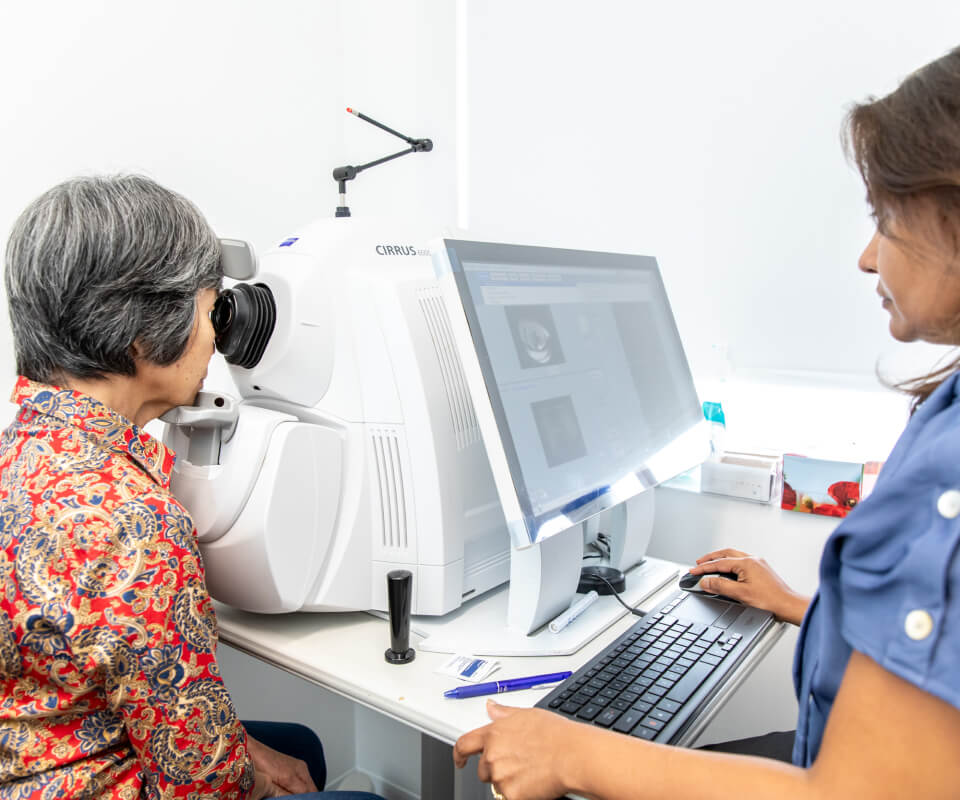
The disease presents in two main forms that can occur together, namely diabetic retinopathy which involves blood vessel damage, and diabetic macular oedema which causes fluid to build up in the central retina.
Living with diabetes also increases the risk of developing other eye conditions such as glaucoma and cataracts, which frequently appear at a younger age.
Patients require a comprehensive eye review at least every one to two years, with more frequent screening recommended if changes are detected or during pregnancy.
When changes are caught in time, treatments such as laser therapy, injectable medicines and close monitoring may help stabilise vision. Individual results vary.
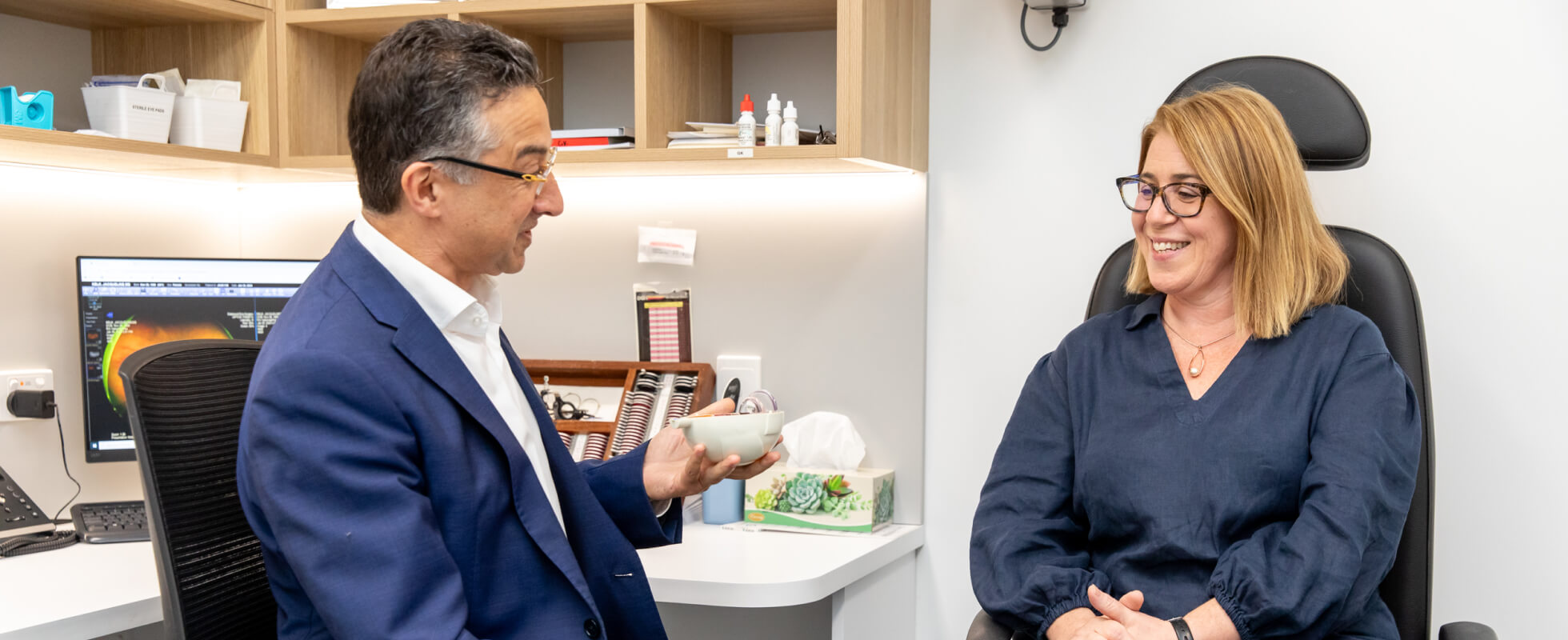
High blood glucose damages the tiny blood vessels in the retina over months and years. These vessels can leak fluid or blood, become blocked, or trigger fragile new vessels that bleed easily.
Any of these changes can affect your vision, sometimes gradually and sometimes suddenly. Because the retina has no pain fibres, the damage usually causes no discomfort.
Diabetes is common across Eastwood, Ryde, and wider Sydney. According to Diabetes Australia (opens in a new tab), some ancestral backgrounds, including people of South Asian, Chinese, and Aboriginal and Torres Strait Islander heritage, carry a higher risk of type 2 diabetes.
Whatever your background, the protective steps are the same for everyone.
Diabetes can affect the eye in several ways, and you can have more than one of these conditions at the same time. The main types are described below.
Diabetic retinopathy is damage to the retinal blood vessels caused by diabetes. It develops in two broad stages.
Diabetic macular oedema is a build-up of fluid in the macula, the central part of the retina you use for reading, recognising faces, and seeing detail.
It can occur at any stage of retinopathy and is a common cause of vision loss in people with diabetes. Blurred or distorted central vision is the usual sign, and treatment is available.
Early diabetic eye disease usually causes no symptoms at all. When symptoms do appear, they can include:
A sudden shower of new floaters, flashes of light, or a dark curtain across your vision needs urgent assessment. These can signal bleeding inside the eye or a retinal problem, so please contact us or your referring doctor without delay if this happens.
Everyone with diabetes should have regular eye checks, whether they have type 1 or type 2, and whether or not they have noticed any change in their sight.
When an optometrist, GP, or endocrinologist detects diabetic retinopathy or is concerned about your retina, they can refer you to an ophthalmologist for specialist assessment. Attending these reviews consistently allows treatment to begin earlier, when more options may be available.
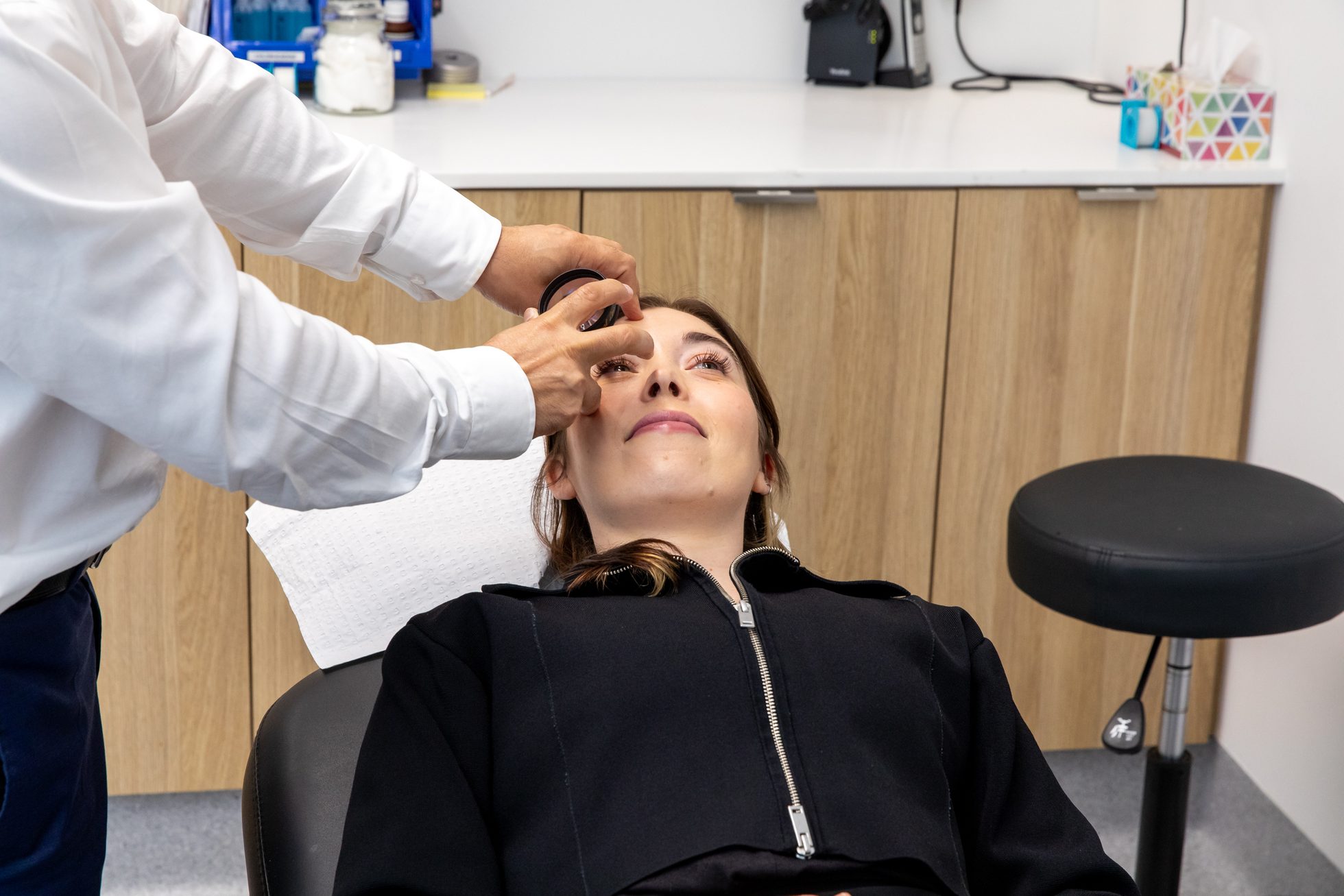
Diagnosis begins with a detailed look at the back of your eye. At Eastwood Eye Surgery, a diabetic eye assessment may involve:
The drops used to widen your pupils blur your vision and increase light sensitivity for a few hours, so it is sensible to arrange for someone to drive you home. Your specialist will explain what the images show and what, if anything, needs treatment or monitoring.
Treatment for diabetic eye disease depends on the type and stage of the changes found. The aim is to stabilise your vision and reduce the risk of further loss.
Your specialist will recommend the approach most appropriate for your eyes. Treatment manages the condition rather than cures it.
Controlling your blood glucose, blood pressure, and cholesterol is the most important factor in slowing diabetic eye disease.
This work is led by your GP and endocrinologist, and we coordinate with them as part of your care. We do not provide diabetes management advice ourselves, so please discuss your medication, diet, and targets with them.
Good control supports your eye treatment, but it does not replace specialist eye review.
Laser photocoagulation uses a focused laser to seal leaking vessels and treat areas of the retina that are growing fragile new vessels. It is used mainly for proliferative diabetic retinopathy and helps to stabilise the retina and lower the risk of severe bleeding.
It is an outpatient procedure that should be scheduled promptly once your specialist recommends it.
You can read more on our Advanced Laser Treatments page.
Intravitreal anti-VEGF therapy involves injecting a small amount of medicine into the eye to reduce fluid leakage and discourage abnormal vessel growth. It is commonly used for diabetic macular oedema and for some cases of proliferative retinopathy.
For many patients it can help stabilise vision, and for some it can improve vision affected by macular fluid. Individual results vary, and treatment is often given as a course over time. Our Intravitreal Injections page explains what the procedure involves and what to expect.
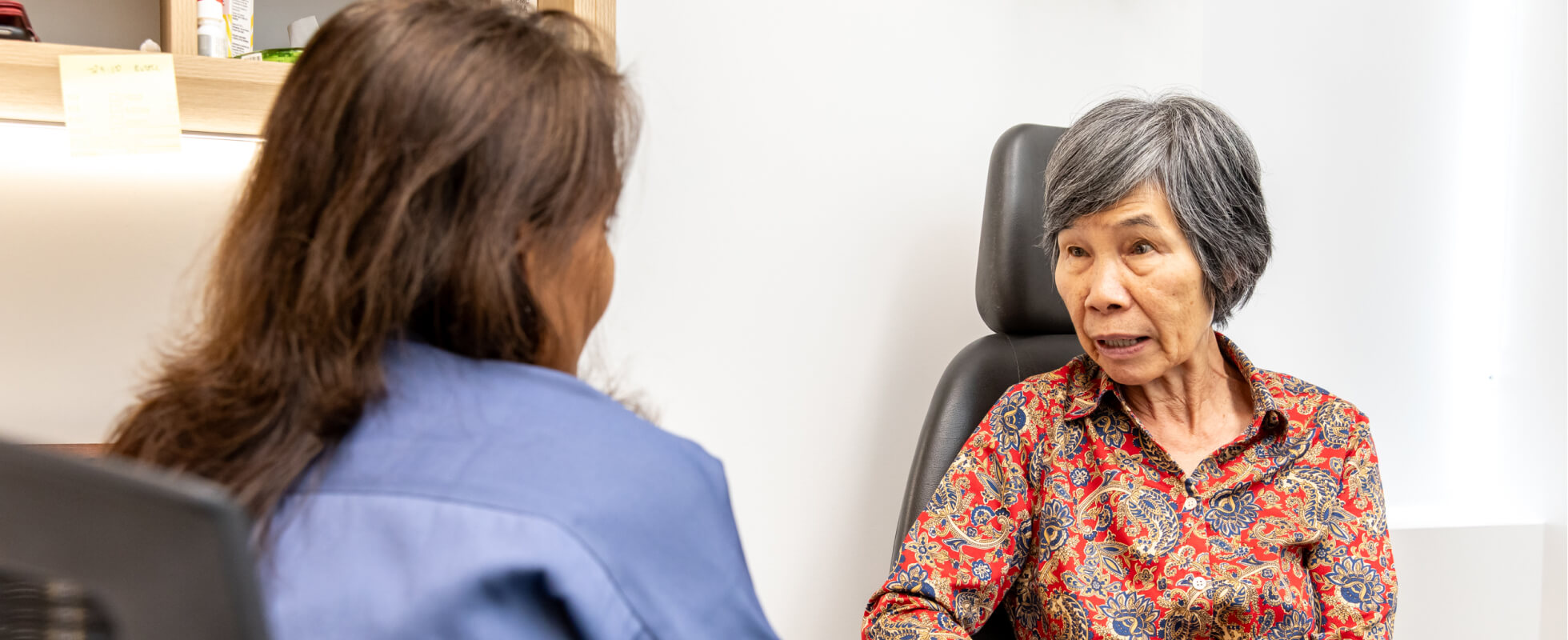
Your assessment is carried out by our medical retina team and is the basis for every recommendation we make. It establishes the stage of your diabetic eye disease and whether any treatment is needed now. Where the wider retinal conditions we manage are relevant, we look at those too, then agree a review schedule with you.
If treatment is recommended, your specialist will explain the options and what each step is designed to achieve, so you can make an informed decision.
Dr Dov Hersh and our medical retina team provide diabetic eye care at Eastwood.
Common questions about diabetic eye disease are answered below. Your specialist can give you guidance specific to your eyes.
The two most effective preventive steps are controlling your diabetes, led by your diabetes team, and attending regular eye checks. Together they reduce the risk of retinal damage and allow any changes to be found and treated early.
Many people retain useful vision despite diabetic retinopathy, when the condition is found early and managed appropriately, though outcomes vary. With timely treatment when needed, the risk of severe vision loss is greatly reduced for many patients. The greatest risk comes from disease that goes undetected.
Every one to two years is the general guide for an eye review if you have diabetes, and more often if retinopathy or macular changes are present or during pregnancy. Your GP, endocrinologist, or eye specialist will recommend the right interval for you.
Medicare rebates apply to specialist consultations when you have a valid referral. Your out-of-pocket costs depend on your circumstances, and our staff can provide fee information when you book.
The pages below cover the two treatments most often used for diabetic eye disease and the specialist who leads this care at the practice.
The anti-VEGF injections used for diabetic macular oedema, what the appointment involves and what to expect from a course of treatment.
TreatmentLaser photocoagulation for proliferative diabetic retinopathy, alongside the other laser treatments we provide.
Your surgeonThe medical retina specialist who leads diabetic eye care at the practice, and what his assessment covers.
Further patient information:
RANZCO Eye Conditions (opens in a new tab) AAO What Is Diabetic Retinopathy? (opens in a new tab)If you have been referred for a diabetic eye assessment, bring your referral letter, a list of your current medications, and any previous eye test results or retinal photographs.
Diabetic eye care is provided by our specialist ophthalmologists. This information is general in nature and is not a substitute for personalised medical advice. Please speak with your ophthalmologist about your individual circumstances.